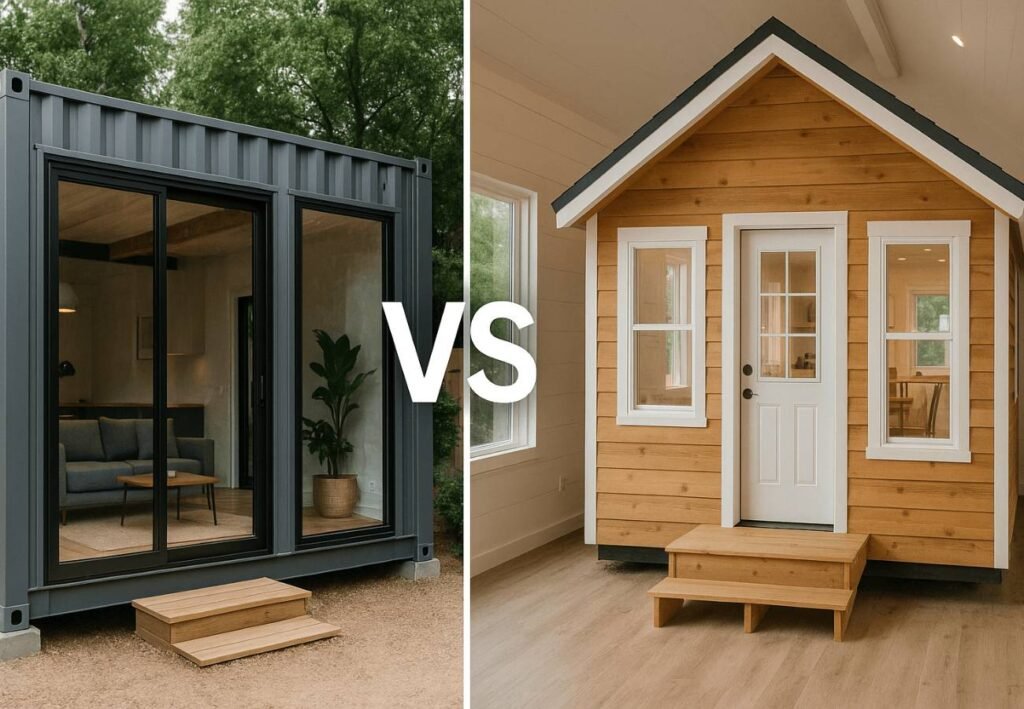
Are you considering a unique, sustainable, and potentially more affordable housing solution in Nigeria? Perhaps you have heard about the rising popularity of container homes. Indeed, these innovative structures are transforming the landscape of modern living and construction across the country. Many people are now exploring container homes as a viable alternative to traditional buildings. This comprehensive guide will break down the actual cost of building a container home in Nigeria for 2026, helping you plan your budget effectively. Furthermore, we will explore the factors that influence these costs and provide essential tips for your project.
Building a home is a significant investment, and understanding the financial implications upfront is crucial. Therefore, we aim to provide clarity on what to expect when venturing into container home construction. Ultimately, this guide will empower you with the knowledge needed to make informed decisions. Consequently, you can achieve your dream of owning a modern, efficient, and cost-effective home.
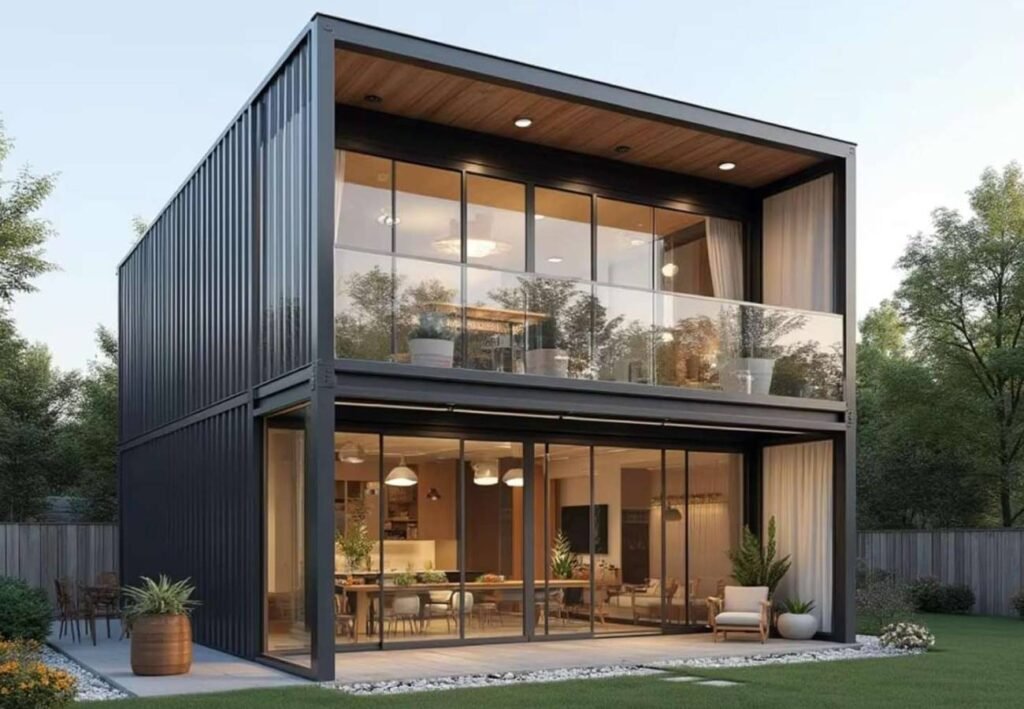
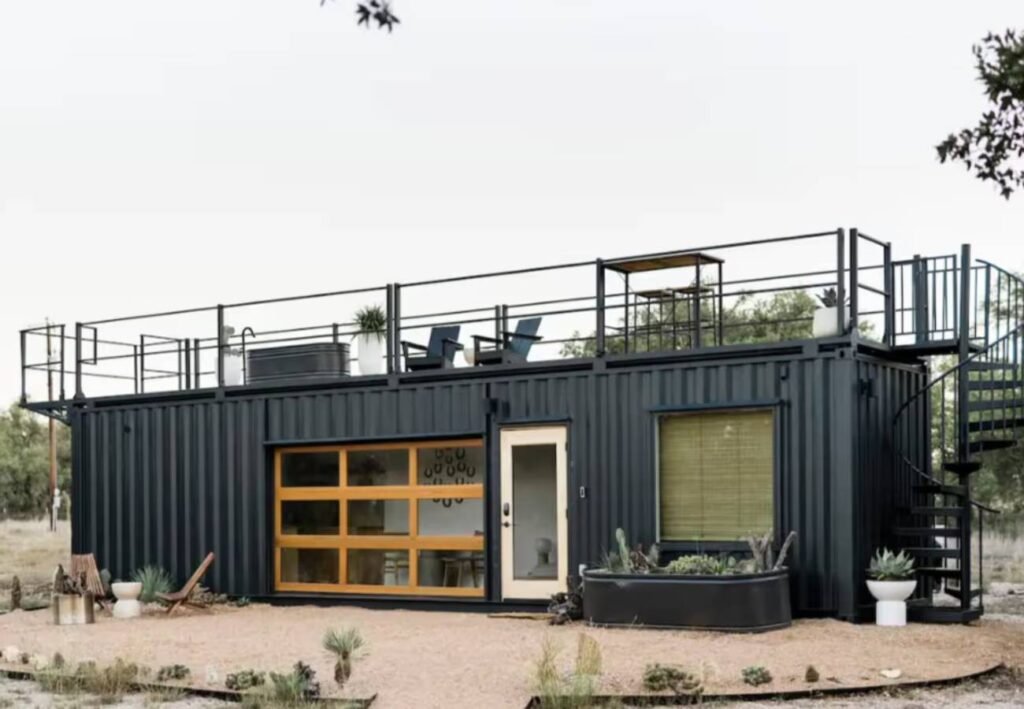
A container home is essentially a dwelling constructed from recycled steel shipping containers. These robust, modular units offer remarkable durability and versatility. Originally designed for cargo transport, they are now repurposed into residential, commercial, and even industrial spaces. Furthermore, their inherent strength makes them ideal for various architectural designs. Thus, they provide a unique aesthetic appeal.
Moreover, the concept of container architecture is gaining traction globally due to its sustainability and efficiency. In Nigeria, this trend is particularly appealing given the need for affordable and rapid housing solutions. Consequently, many individuals and businesses are embracing this innovative building method. It offers a blend of practicality and modern design.
The cost of building a container home in Nigeria is not a fixed figure. Instead, it varies widely based on several critical factors. Understanding these elements will help you estimate your project budget more accurately. Therefore, careful consideration of each aspect is essential for financial planning. This proactive approach ensures transparency and avoids unexpected expenses.
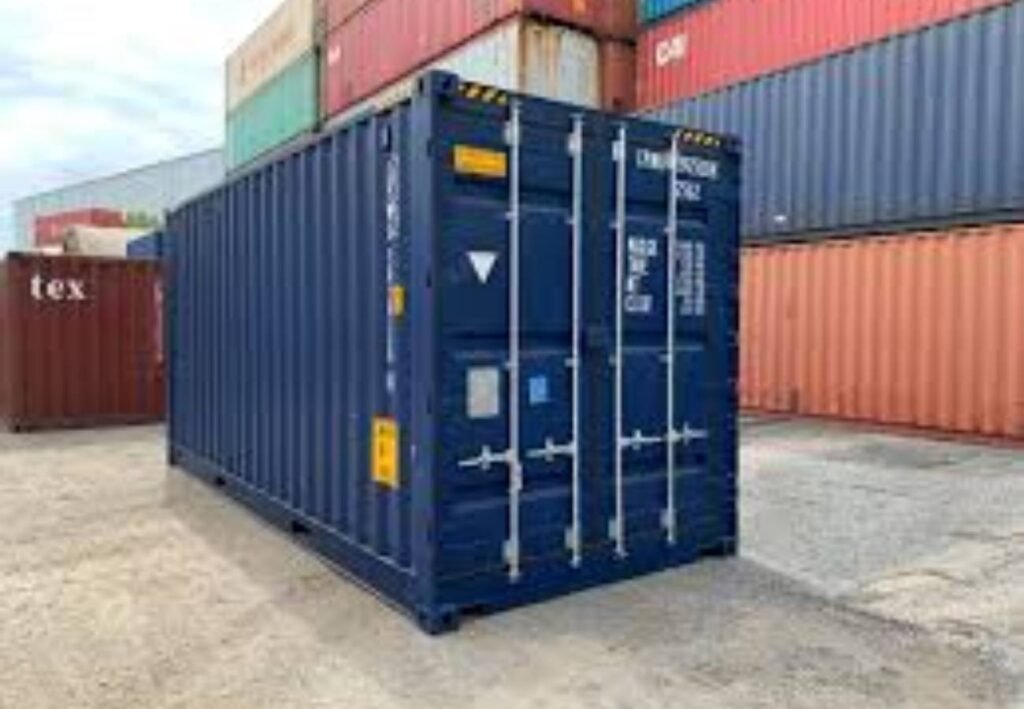
Naturally, the size and quantity of shipping containers used directly impact the overall cost. Standard containers typically come in 20-foot and 40-foot lengths. A single 20-foot container offers approximately 160 square feet of living space, while a 40-foot container provides about 320 square feet. Consequently, larger homes often require multiple containers, which increases material and modification costs. For example, a multi-container design will involve more welding and structural integration. This process adds to the complexity and expense.
The price of the containers themselves depends heavily on their condition. "One-trip" containers, which have been used only once, are generally more expensive but offer superior quality and fewer dents. Conversely, "wind and watertight" (WWT) containers are cheaper but may show signs of wear and tear. Therefore, choosing between new and used containers involves balancing cost savings with aesthetic and structural integrity. It is important to inspect used containers thoroughly for rust or damage.
Simple, minimalist designs are inherently less expensive than complex, multi-level structures with intricate layouts. Customization, such as cutting openings for windows and doors, adding staircases, or creating unique architectural features, significantly increases labor and material costs. Moreover, specialized insulation, advanced plumbing, and electrical systems for unique designs will also add to the expense. Therefore, the more elaborate your vision, the higher the final price tag will be. This is a crucial consideration for budget-conscious builders.
Just like traditional homes, container homes require a solid foundation. The type of foundation needed depends on the soil conditions and the overall design of your home. Options range from simple concrete piers to more elaborate slab foundations. Furthermore, site preparation, including land clearing, leveling, and utility connections (water, electricity, sewage), contributes significantly to the initial costs. Proper site preparation is essential for the longevity and stability of your container home. Therefore, this step should never be overlooked.
The finishing materials you choose for both the interior and exterior will greatly influence the final cost. High-end flooring, custom cabinetry, premium bathroom fixtures, and sophisticated exterior cladding can quickly escalate expenses. Conversely, opting for more standard or locally sourced materials can help keep costs down. Ultimately, the choice of finishes allows for considerable flexibility in managing your budget. Therefore, careful selection is key to achieving your desired aesthetic within financial limits.
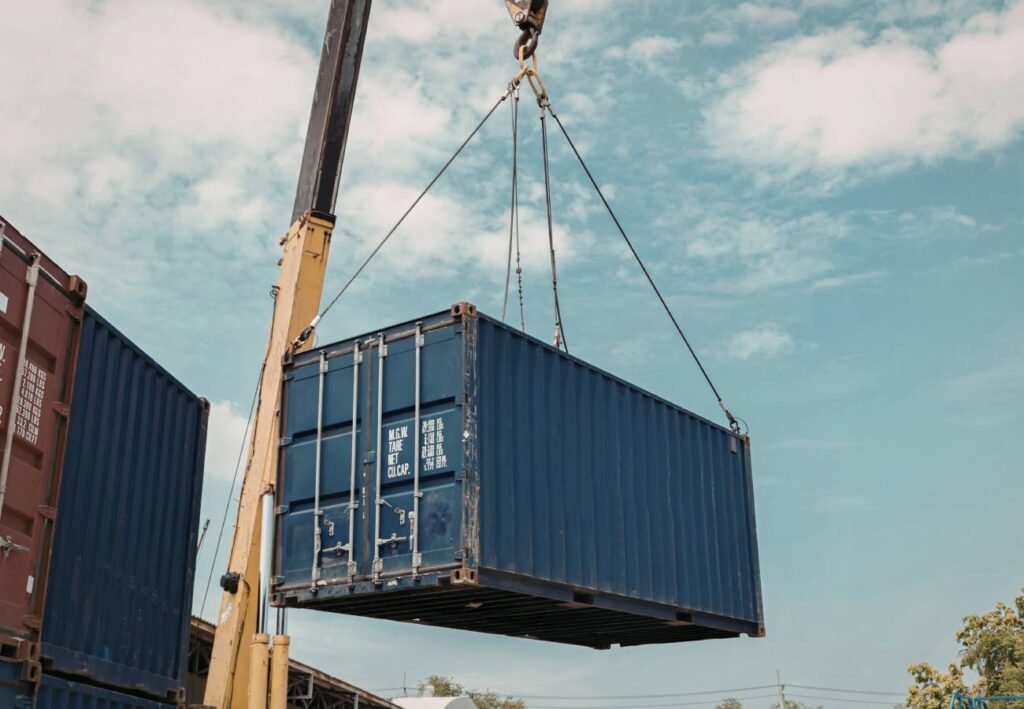
Moving heavy shipping containers from the port or supplier to your construction site requires specialized equipment and logistics. The distance, accessibility of the site, and the number of containers all affect transportation costs. Furthermore, cranes are often necessary to lift and position the containers onto the foundation. Therefore, these logistical aspects must be factored into your overall budget. It is advisable to get quotes from multiple transport companies.
While prices can fluctuate, here is an estimated breakdown of the cost of building a container home in Nigeria for 2026. These figures are approximate and serve as a general guide. For precise costs, it is always best to consult with experienced builders like Terranova Spaces. This will ensure accurate budgeting for your specific project.
|
Item |
Estimated Cost Range (NGN) |
|
20-foot Container (Used, WWT) |
₦1,500,000 - ₦2,500,000 |
|
40-foot Container (Used, WWT) |
₦2,500,000 - ₦4,000,000 |
|
20-foot Container (New, One-Trip) |
₦3,000,000 - ₦4,500,000 |
|
40-foot Container (New, One-Trip) |
₦4,500,000 - ₦7,000,000 |
|
Transportation (Lagos & environs) |
₦300,000 - ₦800,000 (per container) |
|
Foundation & Site Prep |
₦500,000 - ₦2,000,000 |
|
Cutting & Welding (Openings) |
₦200,000 - ₦500,000 (per container) |
|
Insulation & Drywall |
₦800,000 - ₦2,500,000 |
|
Electrical & Plumbing |
₦1,000,000 - ₦3,000,000 |
|
Windows & Doors |
₦500,000 - ₦2,000,000 |
|
Flooring |
₦300,000 - ₦1,000,000 |
|
Kitchen & Bathroom Fixtures |
₦700,000 - ₦3,000,000 |
|
Exterior Cladding/Paint |
₦400,000 - ₦1,500,000 |
|
Roofing (if applicable) |
₦500,000 - ₦2,000,000 |
|
Architectural & Engineering Fees |
₦500,000 - ₦2,000,000 |
For a basic, well-finished single 20-foot container home, you might expect to spend anywhere from ₦6,000,000 to ₦15,000,000. This estimate includes the container, basic modifications, essential utilities, and standard finishes. However, this figure can increase significantly with more complex designs or luxury finishes. Therefore, it is crucial to define your requirements clearly from the outset.
A more spacious home, perhaps combining two 40-foot containers, could range from ₦15,000,000 to ₦35,000,000 or more. This higher range accounts for the increased material costs, more extensive structural work, and potentially more elaborate interior designs. Ultimately, the final cost depends on the level of customization and luxury desired. Consequently, detailed planning and professional consultation are indispensable.
Beyond the appealing cost factor, container homes offer numerous advantages that make them an attractive option for many Nigerians. These benefits extend beyond mere economics, encompassing environmental and practical considerations. Therefore, understanding these advantages can further solidify your decision to choose this innovative housing solution.
Compared to traditional brick-and-mortar construction, container homes can be significantly more affordable. This is primarily due to the lower cost of the basic structure (the container itself) and reduced construction time. Furthermore, the modular nature of containers often leads to less material waste, contributing to overall savings. Consequently, this makes homeownership more accessible to a wider range of individuals. It is a smart financial choice for many.
One of the most compelling benefits is the rapid construction timeline. Much of the fabrication and modification work can occur off-site in a controlled environment. This significantly reduces on-site construction time, allowing for quicker project completion. Therefore, you can move into your new home much faster than with conventional building methods. This efficiency is a major draw for busy individuals.
Shipping containers are built to withstand harsh marine environments and heavy loads. Consequently, they are incredibly durable and resistant to extreme weather conditions, fire, and pests. This inherent strength translates into a robust and long-lasting home structure. Furthermore, with proper maintenance and insulation, a container home can easily last for decades. Thus, it offers excellent long-term value.
Repurposing shipping containers is an environmentally friendly practice. It reduces waste by giving new life to materials that might otherwise be discarded. Moreover, the smaller footprint and efficient design of many container homes contribute to lower energy consumption. Therefore, choosing a container home is a step towards more sustainable living. It aligns with modern ecological values.
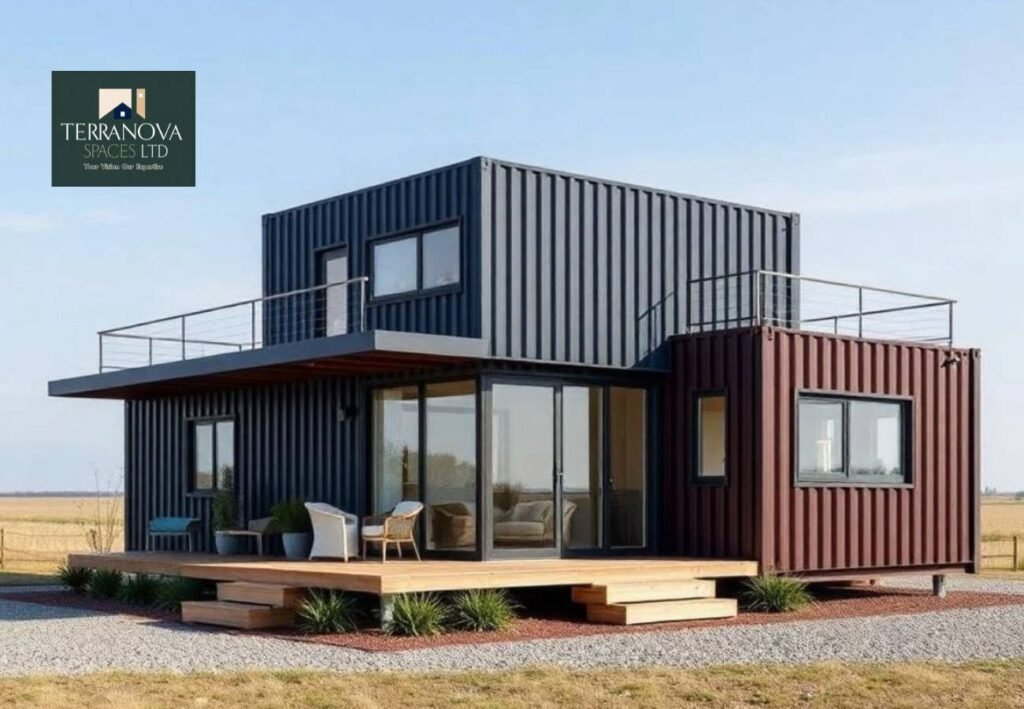
Despite their rigid appearance, shipping containers offer surprising design flexibility. They can be combined in various configurations, stacked, and modified to create unique and aesthetically pleasing architectural marvels. Furthermore, the interior can be customized to match any style, from minimalist to luxurious. Consequently, you are limited only by your imagination and the expertise of your builder. This allows for truly personalized living spaces.
At Terranova Spaces, we are at the forefront of innovative construction solutions in Nigeria, with a specialized focus on container homes. We understand the unique challenges and opportunities presented by this building method. Therefore, we offer end-to-end services, from initial design and customization to fabrication, transportation, and final installation. Our team of experts ensures that your container home project is executed with precision, quality, and adherence to the highest standards.
We pride ourselves on:
Choosing Terranova Spaces means partnering with a company that combines local expertise with global innovation. We are dedicated to delivering not just a house, but a home that reflects your style and meets your needs.
Building a container home in Nigeria presents an exciting opportunity for affordable, sustainable, and unique housing. While the cost of building a container home in Nigeria can vary, a clear understanding of the influencing factors and a detailed budget plan are essential. With proper planning and the right construction partner, your dream container home is well within reach. Therefore, consider the benefits and explore the possibilities that container architecture offers.
Don’t let the complexities of construction deter you. Contact Terranova Spaces today for a personalized consultation. Let our experts guide you through every step, from design to delivery, ensuring a seamless and satisfying building experience. Start your journey to an innovative home with us!
+234 802 318 8356
+234 704 069 9991
info@terranovaspaces.com
N&A Plaza, Opposite Ojaja Mall, Ogombo Road, Off Abraham Adesanya, Ajah, Lagos State
At TERRANOVA SPACES, we turn your vision into reality through expert real estate solutions, interior design, and advisory services tailored for lifestyle, investment, and long-term value.
Office Address: N&A Plaza, Opposite Ojaja Mall, Ogombo Road, Off Abraham Adesanya, Ajah, Lagos State
09:00 Am - 05:00 Pm
Copyright © 2025 Terranova Spaces| Designed by Oneder Technologies
WhatsApp us